
From Thai Tonic to Global Energy Brand
In the early 1980s, Austrian marketing executive Dietrich Mateschitz discovered a Thai energy drink called Krating Daeng while suffering from jet lag during a business trip. Its effects were immediate—jet lag lifted. Partnering with Thai entrepreneur Chaleo Yoovidhya, he co‑founded Red Bull GmbH in 1984 and adapted the formula—adding carbonation, reducing sweetness—and in 1987, Red Bull launched in Austria as the first Western‑style energy drink, drawing on Thai origins but forging an entirely new category in Europe.
Within just a few years, Red Bull disrupted the beverage market. By targeting millennial urban professionals and extreme sports enthusiasts, the company bypassed conventional marketing channels, building a cult following through immersive tactics.
Breaking the Mold: Radical Branding & Sampling Strategy
Red Bull’s true genius wasn’t its product—it was its marketing strategy. Rather than rely on traditional TV or print ads, the brand focused on free sampling in places where its target demographic hung out: bars, music festivals, college campuses, and skate parks. This gave product trial a grassroots push and sparked word-of-mouth momentum .
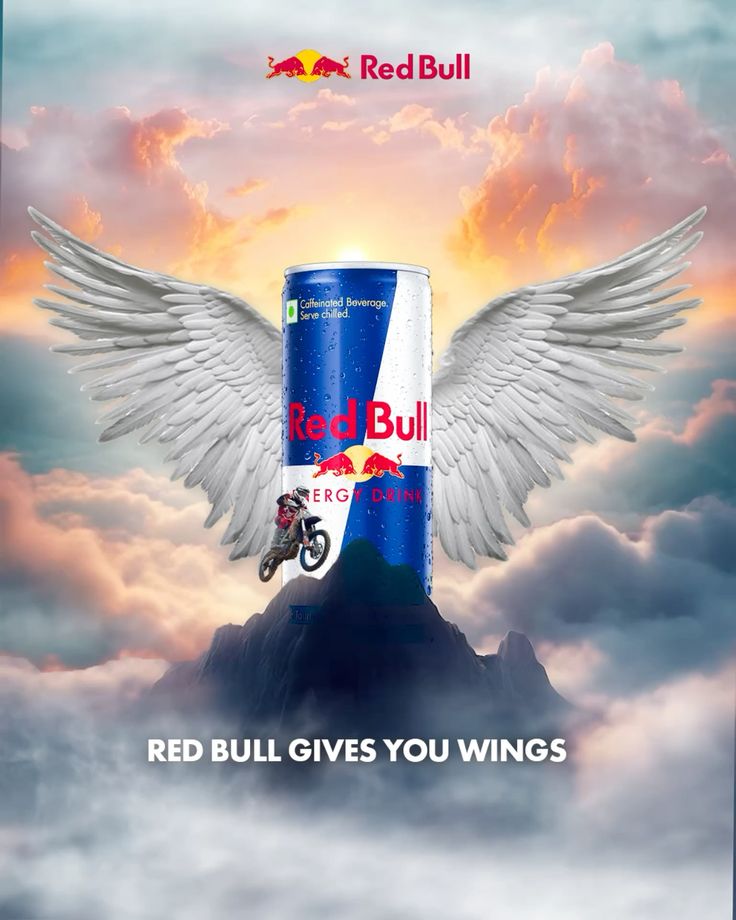
Mateschitz positioned Red Bull not as another soft drink, but as a functional beverage built for performance, alertness, and energy—backed by premium pricing that enhanced its perceived value. The sleek blue-and-silver slim can with bold bull logo created instant shelf recognition. By 1997, Red Bull grabbed roughly 75% market share in the U.S. within a single year of launch .
Creating Culture Through Experiences and Content
Red Bull’s marketing quickly evolved beyond staging events—it created them. From the early days of sponsoring cliff diving and BMX competitions to launching the infamous Red Bull Air Race and immersive events like Flugtag, the brand built a universe of adrenaline-fueled experiences aligned with its energizing image .
The evolution of Red Bull Media House turned the company into a full-fledged storytelling engine. Through branded films, documentaries, the lifestyle magazine The Red Bulletin, and platforms like Red Bull TV, the brand created content—not just commercials—that felt real and shared globally.
The Stratos Moment: Branding That Broke Physics
On October 14, 2012, Red Bull achieved what few marketers dare: a man jumped from the stratosphere, breaking the sound barrier during freefall. Sponsored by Red Bull and executed by skydiver Felix Baumgartner, the Stratos Jump set world records, drew over 8 million concurrent live viewers on YouTube, and redefined how brands could engage audiences through experiential storytelling .
This epic stunt transformed Red Bull from an energy drink into a cultural phenomenon, tying the brand not just to energy, but to human limits, science, and spectacle.
Owning Success: Sports Ownership & Global Expansion
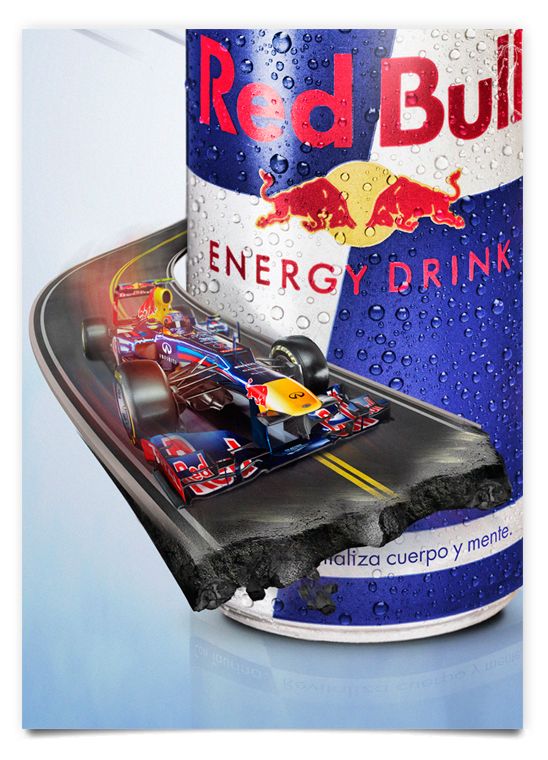
Red Bull didn’t stop with events. The company bought and developed sports teams—most notably Red Bull Racing in Formula 1 and football clubs like RB Leipzig and New York Red Bulls—embedding the brand deep in performance culture. These ownerships reinforced brand authenticity and long-term visibility across demographics .
Financially, Red Bull flourished. By 2023, it had surpassed €10 billion in revenue, selling over 11.5 billion cans in 2022 alone and becoming the world’s top-selling energy drink with global presence in 170+ countries .
The Marketing Lesson: How Red Bull Sold Emotion, Not Just Caffeine
Red Bull’s success rests on one simple truth: it didn’t just sell a drink—it sold an emotion, a feeling, and a lifestyle. The brand transformed from functional product to symbol of adventure, freedom, extremity, and possibility.
They achieved this not through traditional ad spend, but through storytelling, risk-taking, and strategically placed experiences. Red Bull made consumers—not just buyers—part of the brand’s narrative.
Final Thoughts: Applying Red Bull’s Strategy to Your Brand
If you’re building a brand, product, or service that aims to stand out, remember:
- Don’t just sell what you make, sell what you inspire. Construct stories and experiences that align emotionally with your audience.
- Go where they are. Like Red Bull’s sampling in clubs and campuses, meet your audience in real life, physically or digitally.
- Own your content. Think beyond ads—create media that lives beyond product pages.
- Be bold, even if it’s unconventional. The Stratos jump was risky—but it spoke a language no ordinary campaign could.
Red Bull reveals that innovation in marketing can be just as powerful—sometimes more powerful—than innovation in product design.