
Oreo vs Hydrox
You might assume that Oreo, the world’s most iconic cookie, was the original cream-filled chocolate sandwich. But the truth is far more surprising: Oreo was a copy, not the OG Product we think it to be.
The cookie that came first was called Hydrox, and it launched in 1908—four years before Oreo entered the market. And while Hydrox may have been the original (and even better tasting, according to many), it eventually faded into obscurity. The reason? Not the product quality. The branding.
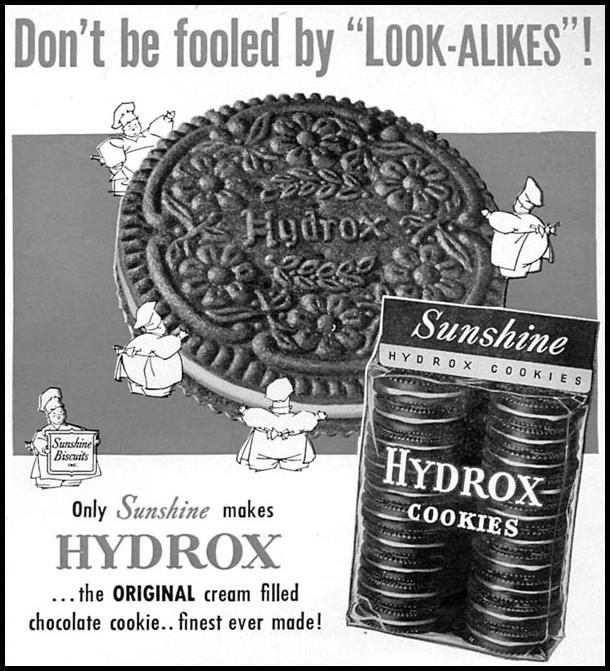
The Forgotten Original: Hydrox (1908)
Hydrox was created by Sunshine Biscuits in 1908, and it was revolutionary for its time. Featuring two crisp chocolate wafers filled with a layer of vanilla crème, it quickly gained popularity. Consumers loved its bold cocoa flavor and clean ingredient list. In fact, Hydrox was kosher-certified and used natural ingredients long before that was a trend.
However, its name—Hydrox, inspired by hydrogen and oxygen to suggest “purity”—had an unfortunate downside. To many consumers, it sounded more like a chemical or detergent than something you’d want to eat. The branding didn’t evoke sweetness, warmth, or fun. It felt sterile.
Hydrox had the superior taste, arguably the better formula, but it didn’t tell a compelling brand story. It assumed that being first and being good was enough (The Original Better Product Syndrome).
The Imitator That Took Over: Oreo (1912)
In 1912, the National Biscuit Company—now known as Nabisco—launched Oreo, an almost identical product. It mimicked Hydrox’s chocolate-and-crème structure and even adopted a similar embossed floral design on the cookie surface.
But Nabisco didn’t just copy the product—they repackaged the idea.
The name “Oreo” was short, catchy, and sweet. It sounded pleasant and playful—easy to remember and even easier to love. The brand launched with attractive packaging, a sense of indulgence, and a positioning that made it feel slightly premium. In a bold move, Oreo was priced slightly higher than Hydrox, which gave it a perception of higher quality.
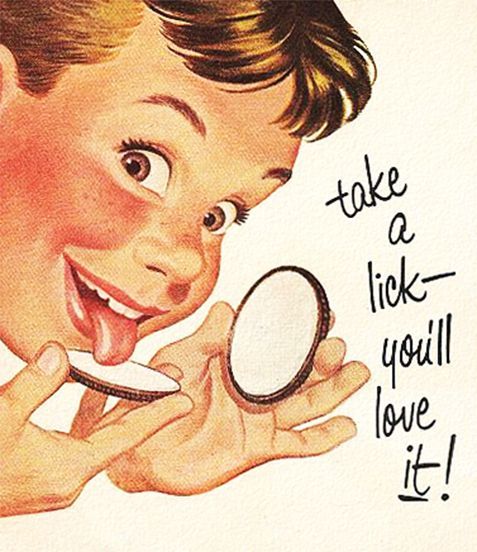
Even more importantly, Nabisco poured serious resources into marketing. Oreo was advertised in newspapers, on streetcars, and eventually through radio and television. And perhaps most brilliantly, the brand created an entire ritual around the cookie: Twist. Lick. Dunk. This transformed the act of eating into an experience.
How Oreo Won the Cookie War
Although Oreo struggled at first, its consistent and charming messaging helped it slowly gain ground. Hydrox never invested heavily in marketing. It relied on the belief that consumers would recognize the superior taste and originality. But Oreo created emotional resonance.
When Nabisco revamped Oreo in the 1950s—making it a bit richer, crisper, and more indulgent—it sealed the deal. By the time the 1980s rolled around, Oreo had all but replaced Hydrox in cultural memory. To many, Hydrox wasn’t the original—it was seen as a cheap imitation, despite the irony.
Hydrox, passed between companies like Keebler and Kellogg’s, was eventually discontinued in 1999. It was briefly revived in 2015 by Leaf Brands, but even today, it remains a niche choice. Meanwhile, Oreo sells over $3 billion worth of cookies annually and is sold in over 100 countries.
The Core Marketing Lesson: Branding Over Originality
This story is one of the best real-world examples of how being first isn’t enough, and being better may not even matter—if your branding doesn’t connect.
Hydrox had the originality. It arguably had better taste. But it lacked emotional appeal. It didn’t sound delicious. It didn’t look luxurious. It didn’t tell a story.
Oreo, on the other hand, had a delightful name, consistent packaging, emotional marketing, and even rituals. Oreo made a simple product into a global cultural icon. It gave people a reason not just to buy—but to belong.
So the real winner wasn’t the innovator. It was the better storyteller.
Final Thoughts: What Brands Can Learn
If you’re building something great—something truly different—don’t assume it will sell itself. Quality doesn’t always win. Originality doesn’t guarantee attention. In a noisy, visual, perception-driven world, branding is the loudest voice.
It’s not just about what you’ve made. It’s how you present it. It’s the name, the packaging, the feeling, and the place you occupy in people’s hearts.
Hydrox should’ve owned the throne. Oreo told the better story—and claimed the crown.